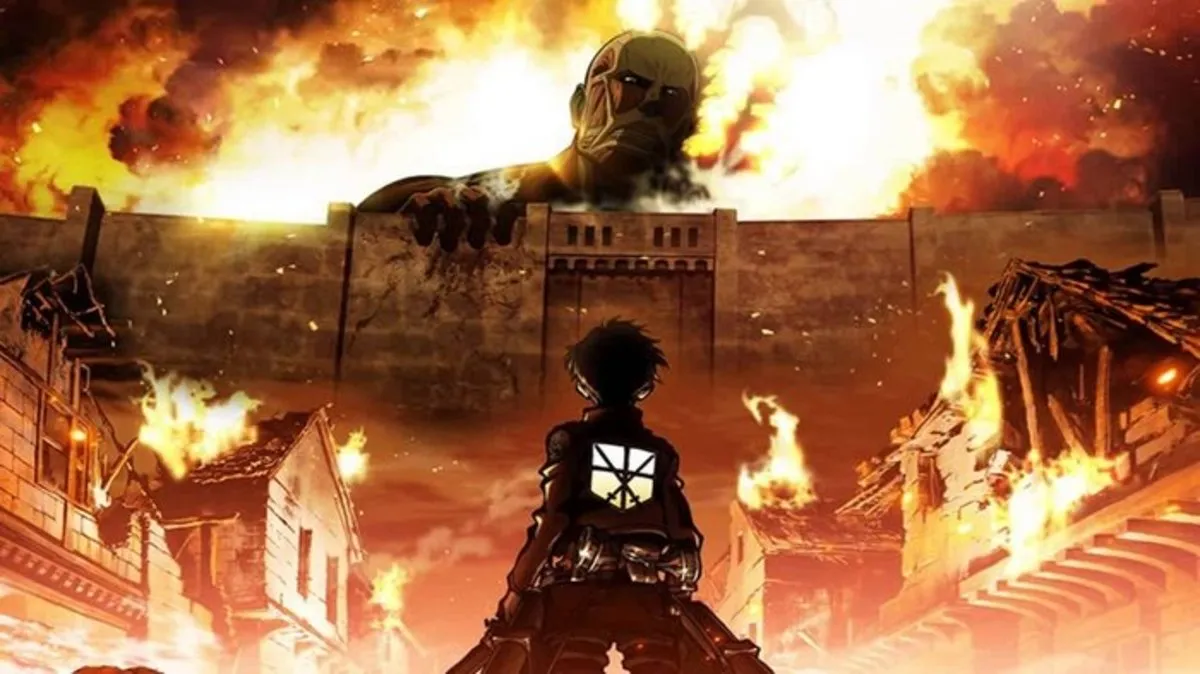
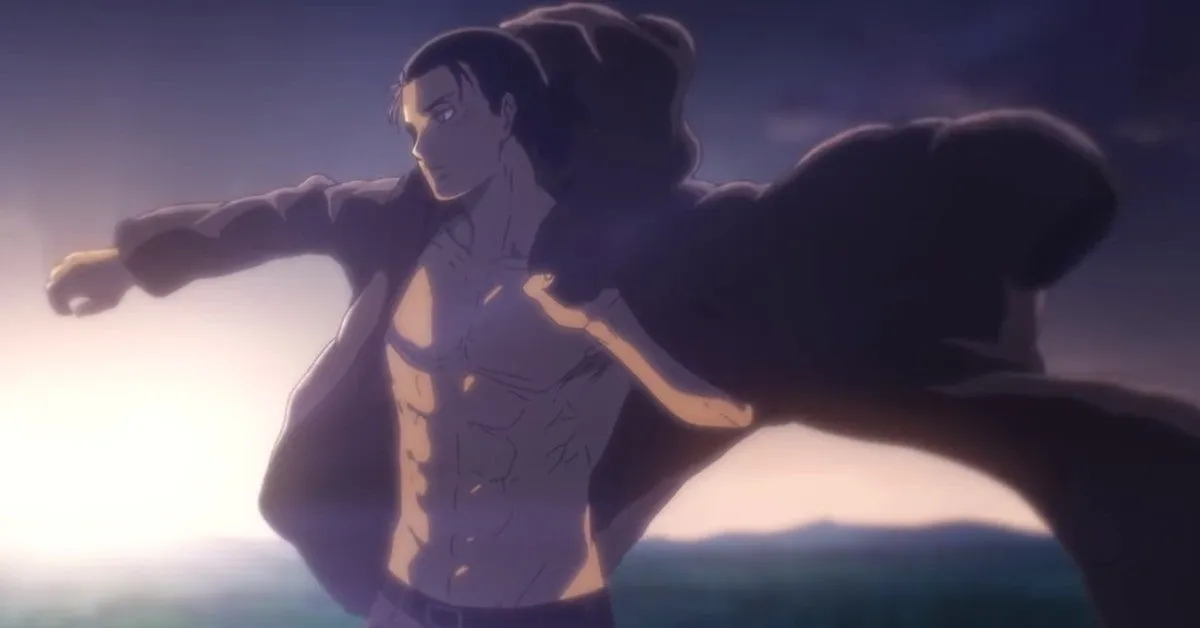
Attack Titan
Combat strength, endurance, and future memory
A forward-moving inheritance that resists submission and turns memory into a weapon against time.
- Known holders
- Eren Kruger → Grisha → Eren
- Signature
- Refusal to submit
- Limit
- Future memory is incomplete
Story and role
The Attack Titan is presented as a fighter, but its defining ability is temporal. Inheritors can receive memories from future inheritors, allowing an action in the present to be influenced by a person who has not yet lived it. The power is not a clean prophecy. Memories arrive in fragments, through another person’s perspective, and they can create as much confusion as certainty. What looks like destiny is often a choice made under incomplete information.
Eren Kruger uses the Titan to resist Marley from inside its own system, then passes it to Grisha with the instruction to protect Mikasa and Armin—names he should not yet know. Grisha inherits the mission, crosses into the Walls, and eventually gives the Titan to his son. Eren’s physical form grows through that inheritance: fists and endurance first, then hardening, combat experience, and the terrifying ability to stand at the centre of a plan that has been reaching backward through memory.
The Attack Titan’s phrase is movement toward freedom, but the anime complicates the slogan. Eren believes the Titan’s drive explains him, while the future memories he sends to Grisha help create the circumstances he later claims were inevitable. Its greatest strength becomes its trap: the past and future no longer sit in separate rooms. The Attack Titan keeps advancing, yet the path is crowded with decisions made by people trying to escape the idea that they had no other choice.
The line of inheritance gives the power a political history as well as a supernatural one. Kruger protects information inside Marley, Grisha carries the mission into the Walls, and Eren receives a legacy that has already been shaped by two men who thought resistance could be passed like a weapon. Each handoff changes the meaning of “freedom.” For Kruger, it is defiance inside an empire; for Grisha, it becomes a demand placed on family; for Eren, it expands until other people’s freedom is treated as an obstacle. The Titan’s memory effect does not offer a neutral archive. It selects images, carries emotion, and encourages the holder to read a choice as a command. That is why the form is visually associated with forward motion but narratively with entanglement. The Attack Titan can move through time, yet it cannot move beyond responsibility for what its inheritors choose to do with the view it provides.
Forward motion, here, is never the same as escape. The Titan can carry a message across generations, but each recipient must still decide whether to obey the voice arriving from the dark.