Armin Arlert
Commander · Colossal Titan
A strategist whose imagination reaches beyond the horizon long before his body can.
- Origin
- Shiganshina District
- Specialty
- Strategic analysis
- Inheritance
- Colossal Titan
Story and role
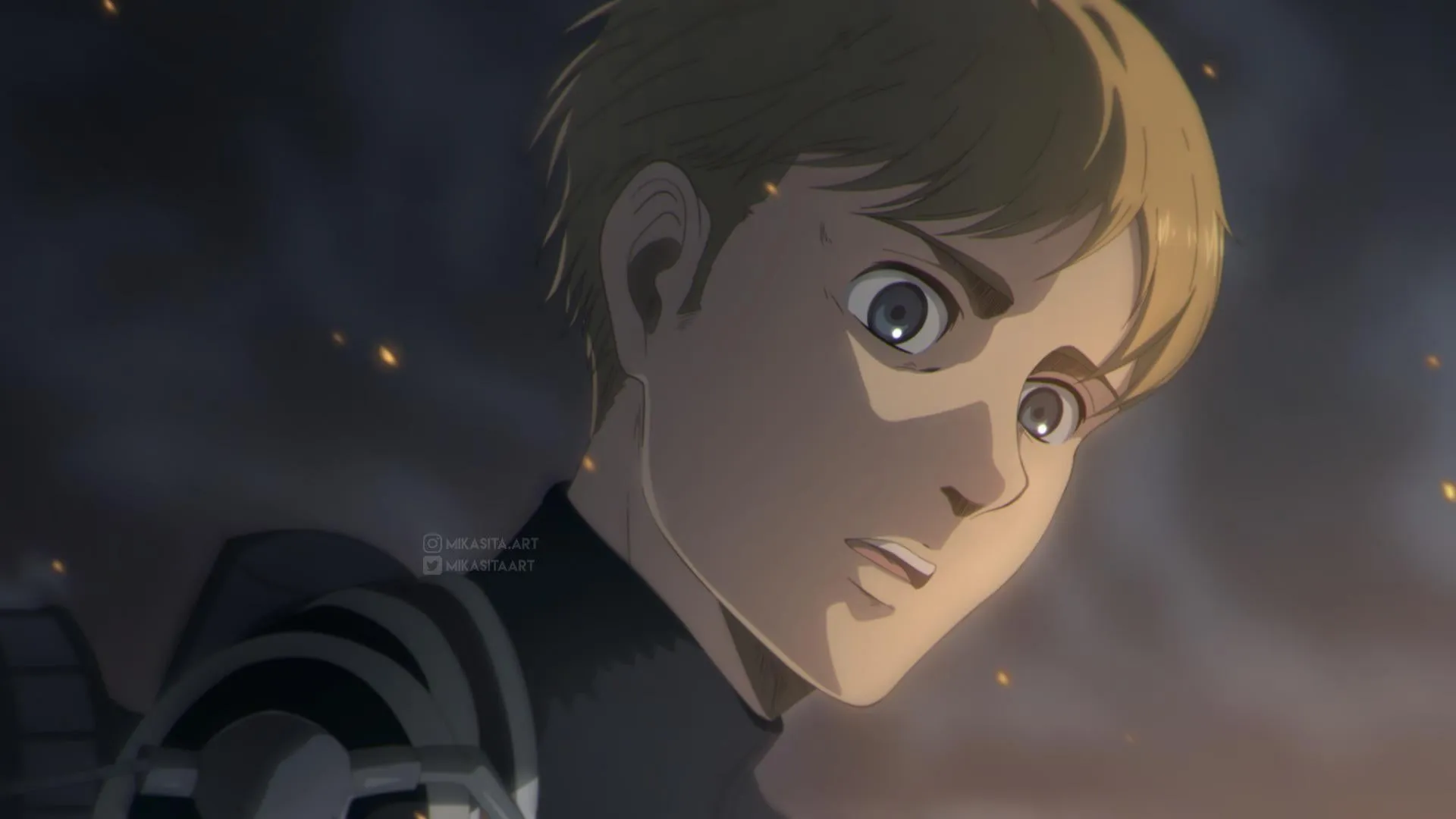
Armin is introduced as someone who knows the world is larger than the stories told inside it. He is physically frail and frequently bullied, but his curiosity is a kind of stubbornness. The book about the sea that he shares with Eren gives their friendship its first horizon. Armin dreams of seeing the world outside the walls not because he wants to conquer it, but because he cannot accept that a map should end where fear begins.
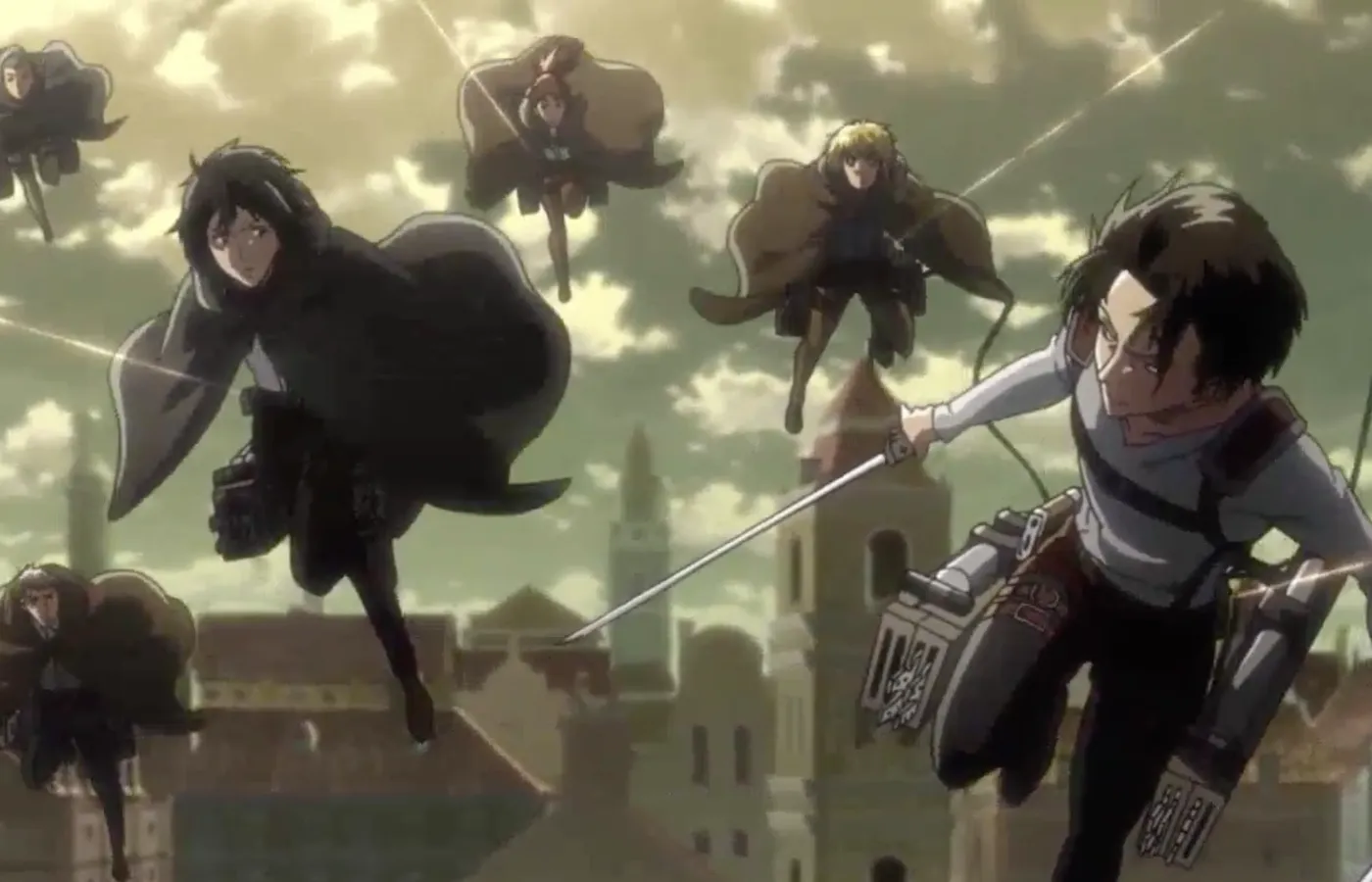
In the Corps, his gift is not the confidence of a natural leader. It is the ability to notice the one detail that changes the entire shape of a situation. He recognizes Annie’s pattern, reads the political trap around the government, and develops the plan that allows the Scouts to retake Shiganshina. These victories never feel effortless. Armin often freezes before he acts, then chooses responsibility while afraid. His courage is measured in the seconds between those two states.
The decision to save Armin with the Titan serum and let Erwin die changes the emotional architecture of the story. He inherits the Colossal Titan, a power associated with annihilation, while trying to remain a person who imagines alternatives. The Bertholdt memory fragments make that task harder. In the final conflict, Armin becomes commander, negotiator, destroyer, and witness to Eren’s plan. His greatest strength remains the same as when he was a child: he can imagine another shore. Whether that imagination can survive the crimes committed in its name is the burden he carries after the ending.
The sea is an important measure of Armin’s development. As a child, it is a promise that knowledge might be beautiful; after the time skip, it is the line where he understands that the outside world is populated by people who fear him. His conversations with Annie, his attempt to negotiate with Eren, and his willingness to transform at the harbour all show a commander learning that imagination does not remove responsibility. Armin can invent a route through a crisis, but he cannot guarantee that the route is merciful. What he offers the surviving soldiers is not certainty. It is the discipline to keep asking what a different choice could protect. That makes his leadership quieter than Erwin’s and no less demanding: he must hold the possibility of another future without pretending the present has been forgiven.
He remains most compelling when the plan fails. Armin can be frightened, indecisive, or physically outmatched and still become useful by asking the question no one else has time to ask. His intelligence is not a replacement for courage; it is the way courage takes shape in him.